The Problem with MostFree Fluency Resources
Teachers search for free fluency passages constantly, and for good reason. Budget pressure is real, and phonics-controlled text is hard to write on your own. The usual results are static PDFs from sources like UFLI Foundations, PRIDE Reading Program, and Reading Universe.
Those passages are well-constructed and curriculum-aligned. The problem is that a PDF can't listen to your student read.
Without built-in feedback, free fluency passages require a trained adult sitting one-on-one with the student to catch errors in real time. If you have 24 students and 90 minutes of literacy block, the math doesn't work. You end up choosing between coverage and quality of feedback, which is exactly the tradeoff fluency software should eliminate.
What to Looks for in a Fluency Passage Generator
A good fluency passage generator lets you control the phonics patterns in the text. If your class is working on vowel teams this week, the passages should contain vowel teams, not random grade-level vocabulary. Curriculum alignment matters here: look for tools that map to UFLI, IMSE, CKLA, Guided Phonics, or other structured literacy scopes.
Passage customization by spelling pattern is the feature that separates a fluency generator from a generic leveled reader. You should be able to input specific grapheme-phoneme correspondences or sight words, then get a passage controlled for those targets. If you can also adjust passage length and complexity by grade (K through 5), you've found a tool worth testing.
One more thing to check: can the passages be used for both practice and assessment? Some platforms generate passages but don't score oral reading. Others score reading but require you to supply your own text. The most efficient tools handle both.
How Real-Time Feedback Accelerates Decoding Gains
The National Reading Panel identified fluency as one of the Big 5 reading components, defined as accuracy, rate, and expression working together. Fluency bridges decoding and comprehension: when a reader doesn't have to labor over individual words, cognitive resources shift toward meaning.
Research on oral reading feedback consistently shows that immediate corrective feedback during reading outperforms delayed feedback for struggling readers. When a student mispronounces "bright" as "brig-ht" and gets corrected three seconds later, the correct pattern replaces the error before it solidifies. When that same error gets flagged two days later on a running record, the student has already reinforced the mistake across multiple practice sessions.
Best Reading Fluency Software for Grades K-5 (2026)
ROYO
Best for: Classroom teachers who want personalized fluency passages with built-in feedback and free fluency assessments on day one.
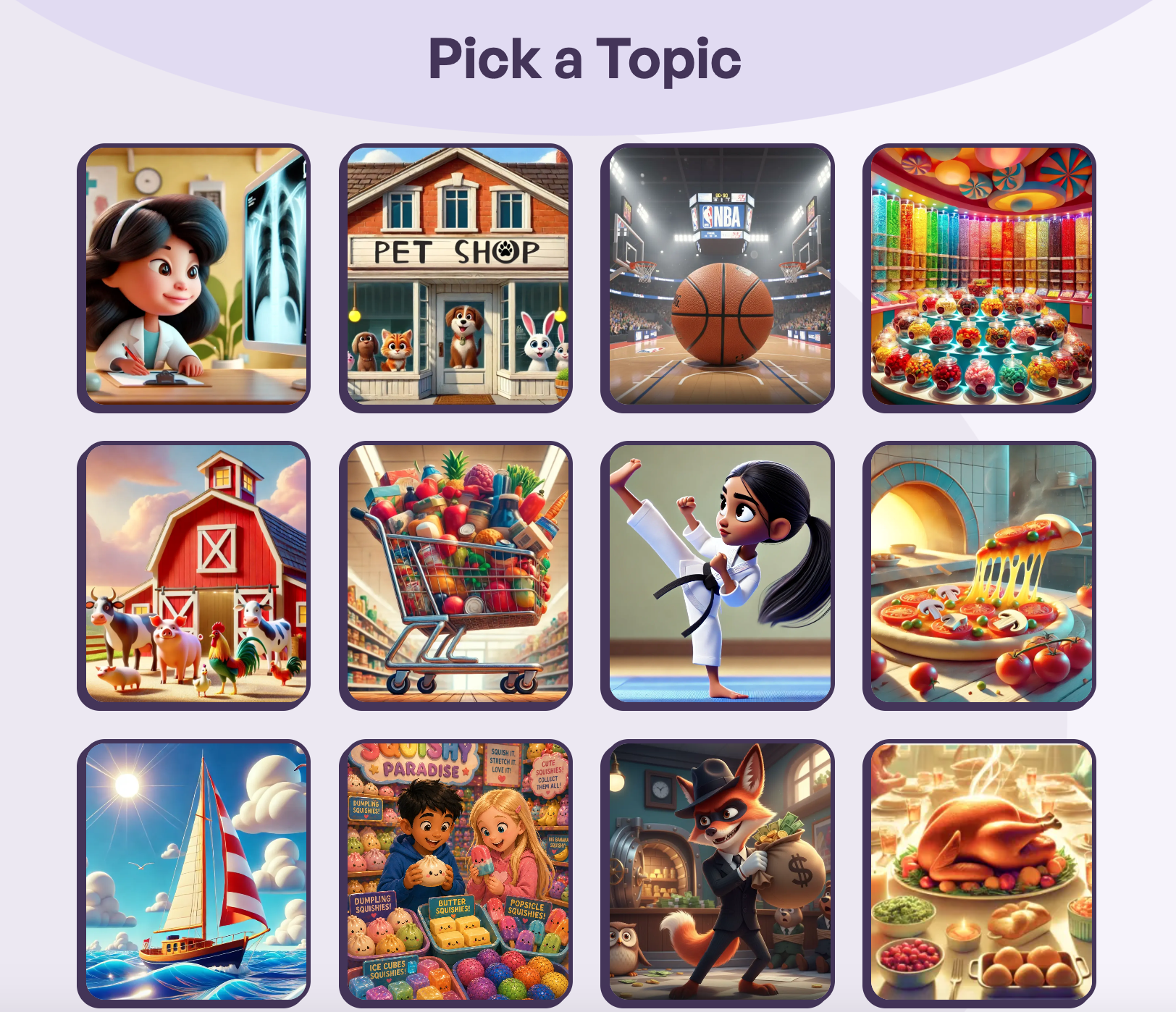
Royo generates personalized decodable books where the student is the main character. Each student builds an avatar, selects a topic, and receives a book starring themselves, with vocabulary controlled to match their current phonics level. The approach turns fluency practice into something students actually request.
"My students are obsessed with ROYO and their parents are using it at home and it’s helping them SO much with their fluency!" — 1st Grade Teacher
Royo's real-time voice recognition listens word by word as students read aloud, catching skipped and mispronounced words with instant corrective feedback. The fluency passage generator aligns to any phonics curriculum you're using, whether that's UFLI, Heggerty, CKLA, Hooked on Phonics, or have middle school students.
"I especially appreciate the ability to differentiate texts based on specific spelling patterns and sight words we're focusing on in class. It's truly a one-stop platform for fostering both reading growth and enjoyment!" — Sophia, 2nd Grade Teacher
The free tier includes fluency assessments, which is unusual in this category. Most reading fluency tools are either free but static (PDFs, no feedback) or interactive but paid. Royo's freemium plan gives you personalized decodable passage generation, real-time reading feedback, and fluency assessments at no cost.
"One of the most powerful features of ROYO is its ability to track student progress. Since the AI listens to each word a student reads, I have real-time access..." — Kindergarten teacher
Royo launched multilingual and ELL support in April 2026, adding four-domain language practice inside personalized stories. Pricing scales from free (basic), to monthly (pro) and school-level contracts. Title I and MTSS funding eligibility keeps the procurement path straightforward for schools.
Pros:
- Free tier includes fluency assessments, a combination no other platform in this comparison offers at zero cost
- Student-as-main-character engagement drives voluntary practice, especially for reluctant readers in K–5
- Works with any phonics curriculum, so you don't need to switch scope and sequence to use it
- Word-level voice recognition catches specific decoding errors, giving teachers actionable data rather than just a WCPM score
- Title I and MTSS eligible, which simplifies funding approval for interventionists and administrators
Cons:
- Multilingual features are new (April 2026 launch), so long-term performance data for ELL support is still limited
- Pro tier required for comprehension layer and ongoing individual student data dashboards
- No DIBELS-style passage format for teams that need standardized ORF benchmark passages specifically
Free Fluency Passages with Built-In Feedback: What's Actually Available
The phrase "free fluency passages" returns a lot of results, but most of them are downloadable PDFs. UFLI Foundations printables, PRIDE Reading Program resources, and Reading Universe passages are all quality materials written by literacy experts. They give you controlled text. They do not give you feedback.
If you need fluency passages with feedback at no cost, your options narrow considerably. Microsoft Reading Coach is free but lacks phonics alignment, meaning the text won't match your scope and sequence. Royo's freemium plan is currently the only option that combines free access, phonics-aligned passage generation, real-time oral reading feedback, and fluency assessments in one package.
Reading Fluency Software for Dyslexia
Students with dyslexia need structured literacy software that delivers explicit phonics instruction, multisensory approaches, high-interest text at accessible reading levels, and immediate corrective feedback. Orton-Gillingham fluency practice depends on systematic, cumulative phonics progression, and any software you choose should let you control the exact spelling patterns a student encounters.
Reading fluency software for dyslexia should allow repeated practice on the same phonics targets without boring the student. Personalized fluency passages, where content changes but phonics targets stay consistent, solve the "same skill, fresh text" problem that paper-based interventions struggle with. Avatar-based engagement (as in Royo) or gamified feedback loops are particularly useful for students who have already developed negative associations with reading practice.
Best Reading Fluency Software for First Grade
First graders working through CVC and CCVC patterns need short passages, often just 20 to 50 words, with tightly controlled vocabulary. Anxiety around reading aloud is common at this stage, so software that reduces performance pressure matters. Royo's avatar feature is worth noting here: when a 6-year-old sees themselves as the hero of the story, the reading task shifts from "test" to "adventure."
Best Reading Fluency Software for Second Grade
The best reading fluency software for second grade integrates sight word practice into phonics-aligned passages, so students encounter high-frequency words in context rather than in isolation drills. Progress tracking should show whether a student's fluency rate is on trajectory toward that 90 WCPM target, broken down by assessment period.
How to Choose: A Decision Framework for Teachers
Start with your primary need. If you need a daily practice tool with built-in feedback and you want to test it for free, Royo's freemium tier is the most complete starting point since it includes personalized passages, voice feedback, and fluency assessments at no cost.
Frequently Asked Questions
What is a fluency passage generator?
A fluency passage generator creates reading fluency passages customized by spelling pattern, phonics level, and grade. Unlike static passage libraries, a generator produces fresh text controlled for specific grapheme-phoneme correspondences so students practice targeted skills without rereading the same passage. Tools like Royo generate passages aligned to structured literacy curricula including UFLI and CKLA.
Are there free fluency passages with feedback?
Most free fluency passages are static PDFs without interactive feedback. Royo's freemium plan is the exception: it includes phonics-aligned passage generation, real-time oral reading feedback, and free fluency assessments. Microsoft Reading Coach is also free but does not offer phonics-controlled or decodable passages.
What phonics decoding games work for struggling readers?
The most effective phonics decoding games for struggling readers use immediate feedback loops tied to specific grapheme-phoneme correspondences. Games aligned to Orton-Gillingham or structured literacy principles are preferable to generic phonics apps because they maintain systematic, cumulative skill progression.
How does real-time reading feedback help early readers?
Immediate error correction during oral reading prevents students from reinforcing incorrect decoding patterns. When a student mispronounces a word and hears the correct version within seconds, the accurate phonics mapping replaces the error before it becomes a habit. Delayed feedback, such as reviewing running records days later, misses that correction window and often requires more intensive reteaching.